
Actionable data science suggestions to beat the operational challenges in transitioning to a circular economy


A circular economy is an financial system where waste is minimized and resources are repeatedly reused or recycled.
Imagine a world where your waste doesn’t find yourself in landfills but relatively becomes the raw material for brand spanking new products.
The transition from our current linear economy to a more sustainable circular one is a significant topic for a lot of firms.
What’s holding us back?
As the present linear economic model reaches its limits, discussions around recent circular business models turn into increasingly more outstanding.

These discussions mainly concentrate on
- The operational and business obstacles blocking the transition
- Alternative strategies to extend the usage of recycled materials
- Rental models to scale back the environmental footprint
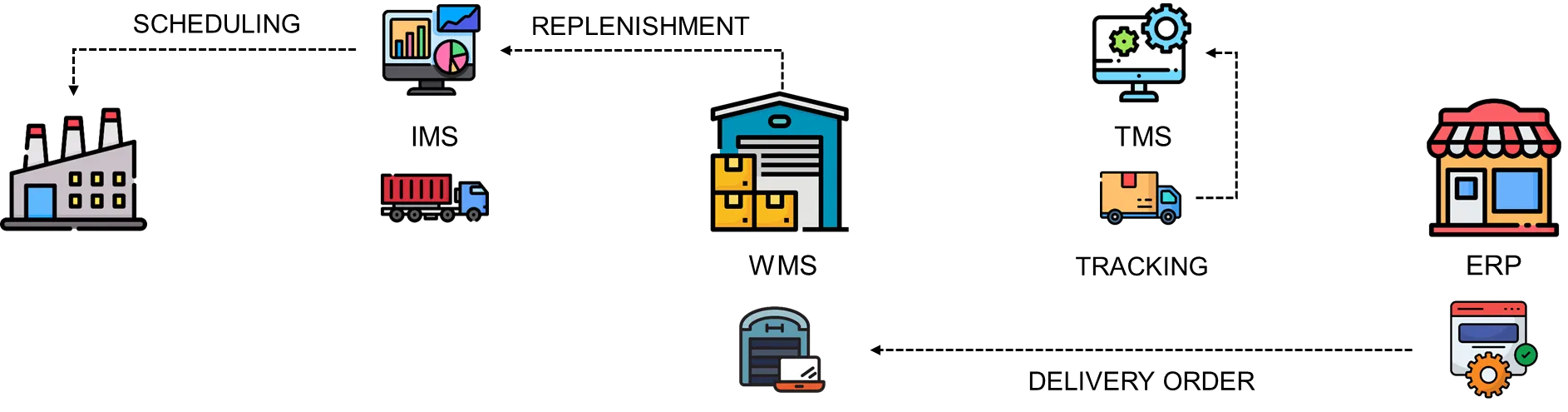
Because the analytics manager of a retail company, how can I support this transition?
Analytics experts can leverage the info generated by systems to beat these barriers by identifying opportunities to create a sustainable and profitable circular supply chain.
In this text, we’ll step into the shoes of an analytics manager who has been asked to support the operational transformation of a fashion retail company.
💌 Recent articles straight in your inbox without cost: Newsletter
📘 Your complete guide for Supply Chain Analytics: Analytics Cheat Sheet
Summary
I. Transition to a Circular Economy
1. What's the environmental impact of a T-shirt?
2. Data-driven Process Design
II. Overcoming the…